Welcome to Shenzhen Rising Medical Co., Ltd.  中文
中文
中文 中文

News
Date:2024-02-01 Click: 4328
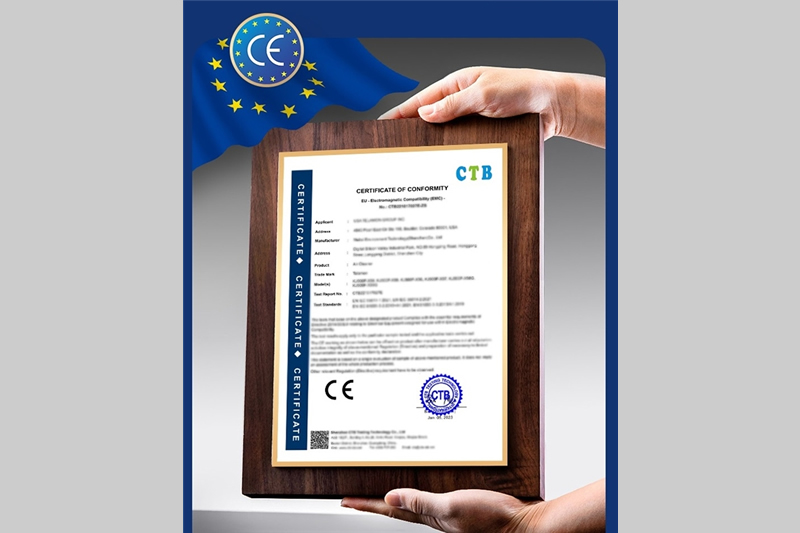
In the European market, medical devices must obtain CE (Conformit é Europ é enne) certification before being launched, which is a basic requirement under the EU legal framework, indicating that the product has met the EU's strict standards for health, safety, and environmental protection. CE certification is not only a passport for market access, but also an important means of ensuring the safety of patients and users.
Certification background and legal basis
CE certification is based on the EU's medical device regulatory system, which initially followed the Medical Device Directive. However, starting from May 26, 2021, the new Medical Device Regulation (MDR) officially came into effect, replacing the old directive (such as 2007/47/EC). The introduction of MDR marks a new era of stricter and more detailed regulation of medical devices in the European Union.
Key features of MDR certification
MDR certification is not only an update to regulations, but also a comprehensive enhancement of the safety, effectiveness, and compliance requirements for medical devices. The core improvements include:
Overview of MDR Certification Process
The MDR certification process is complex and comprehensive, involving multiple key steps:
In short, MDR certification is a necessary path for medical devices to enter the European market. It is not only a test of product quality, but also a comprehensive evaluation of the manufacturer's overall strength. With the deepening implementation of MDR regulations, the European medical device market will become more standardized and transparent, bringing higher levels of safety assurance to patients worldwide.
The cooperation between Shenghao Technology and Intertek of Tianxiang Group will further standardize the production process and quality, making the products more in line with domestic and international standards!
 Phone: 0755-82624909
 Email: info@risingmedical.com.cn
 Address: Room 503 and 603, Building 1, Shenzhen Biomedical Innovation Industrial Park, No. 14, Jinhui Road, Jinsha Community, Kengzi Street, Pingshan District, Shenzhen City


Scan add
Business manager


 Your location: