Welcome to Shenzhen Rising Medical Co., Ltd.  中文
中文
中文 中文

News
Date:2024-07-03 Click: 7747
Remote radial artery compression hemostasis is a commonly used hemostatic technique in clinical practice, especially playing an important role in cardiovascular intervention surgery, peripheral vascular surgery, and other fields. This article will provide a detailed explanation of the principles, methods, clinical applications, complications, and preventive measures of distal radial artery compression hemostasis, in order to provide reference for medical workers.
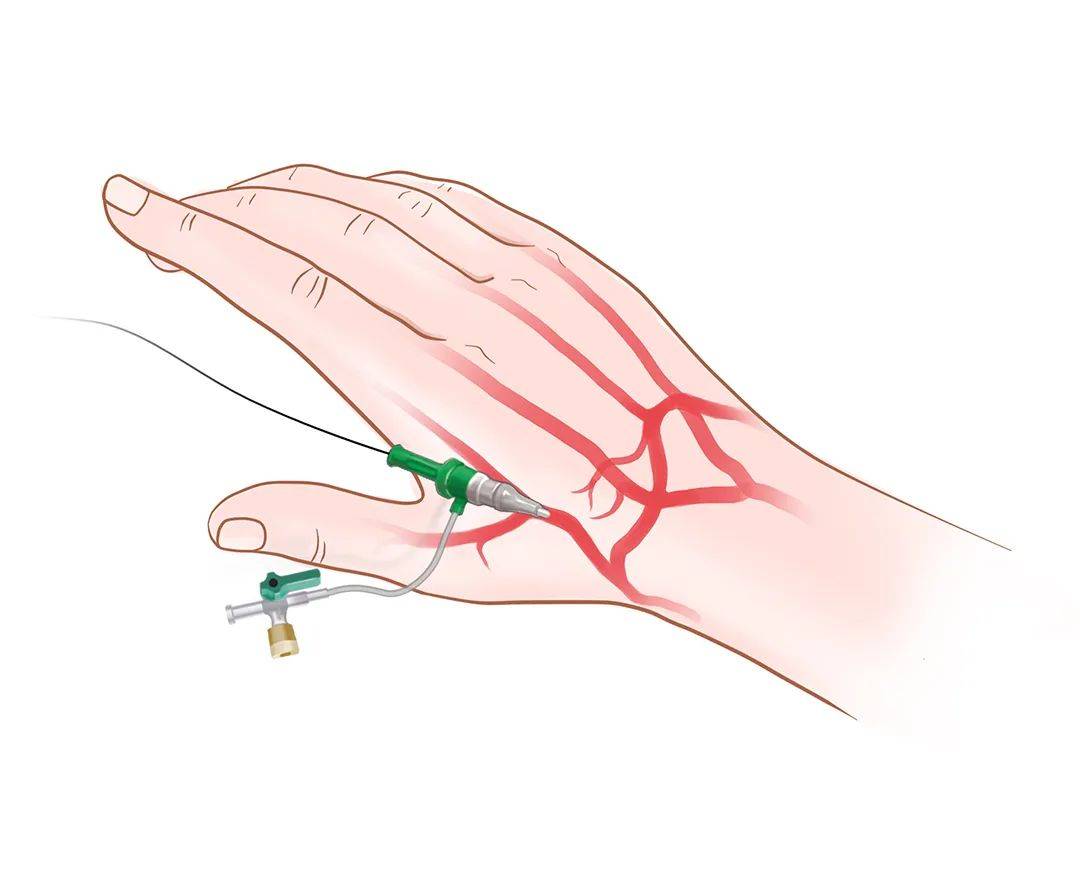
1、 The principle of distal radial artery compression hemostasis
The principle of distal radial artery compression hemostasis is to apply appropriate pressure to the distal end of the radial artery, block blood flow, and achieve hemostasis. The radial artery is one of the main arteries in the upper limb, which runs on the surface of the forearm and is relatively shallow, making it easy to compress. In cardiovascular intervention surgery, radial artery puncture is a commonly used approach, so distal radial artery compression hemostasis technique is particularly important in such surgeries.
2、 The method of distal radial artery compression hemostasis
The methods of distal radial artery compression hemostasis mainly include manual compression, balloon compression, and tourniquet.
1. Manual compression: Manual compression is the simplest and most direct method of stopping bleeding. After the surgery, the doctor will cover the puncture site with sterile gauze or cotton balls, and then use their fingers to compress the distal end of the radial artery. The compression force should be moderate, ensuring both hemostatic effect and avoiding vascular damage caused by excessive compression. The compression time is usually 10-15 minutes. After the bleeding stops, wrap and fix it with a bandage.
2. Airbag Compressor: An airbag compressor is a device specifically designed for distal radial artery compression and hemostasis. It consists of an airbag and a pressure regulator. When in use, place the balloon above the puncture point and inflate it through a pressure regulator to generate appropriate pressure on the radial artery. The airbag compressor has the advantages of easy operation, adjustable pressure, and reliable hemostatic effect, and has therefore been widely used in clinical practice.
3. Tourniquet: A tourniquet is a hemostatic device similar to a bandage, which works by applying pressure around the radial artery to achieve hemostasis. A tourniquet can be adjusted according to the thickness of the patient's arm and is easy to operate, but its hemostatic effect may be slightly inferior compared to an airbag compressor.
3、 Clinical application of distal radial artery compression hemostasis
The technique of distal radial artery compression hemostasis has been widely used in cardiovascular intervention surgery, peripheral vascular surgery, and other fields. In these surgeries, radial artery puncture is a commonly used approach, and distal radial artery compression hemostasis technique is one of the important measures to ensure surgical safety and reduce complications. In addition, in some emergency situations such as trauma, arterial bleeding, etc., distal radial artery compression hemostasis technology can also play an important role.
4、 Complications and preventive measures of distal radial artery compression hemostasis
Although the distal radial artery compression hemostasis technique has the advantages of easy operation and reliable hemostatic effect, there are still some complications in practical application, such as vascular injury, thrombosis, nerve damage, etc. To reduce the occurrence of these complications, the following preventive measures need to be taken:
1. Moderate compression force: When performing distal radial artery compression hemostasis, attention should be paid to the moderate compression force. It is necessary to ensure the hemostatic effect while avoiding vascular damage caused by excessive compression. Doctors should make personalized adjustments based on the actual situation of patients.
2. Control of compression time: The compression time should not be too long to avoid the formation of blood clots or nerve damage. In general, the compression time is 10-15 minutes, and the compression should be released promptly after the bleeding stops.
3. Regular observation: During the compression process, doctors should regularly observe changes in the color, temperature, and sensation of the patient's arm, and promptly detect and treat possible complications.
4. Reasonable use of hemostatic devices: When using hemostatic devices such as airbag compressors or tourniquets, it is necessary to strictly follow the operating procedures to avoid the occurrence of complications caused by improper operation.
V. Summary
Remote radial artery compression hemostasis technique is a commonly used hemostatic method in clinical practice, playing an important role in cardiovascular intervention surgery, peripheral vascular surgery, and other fields.
 Phone: 0755-82624909
 Email: info@risingmedical.com.cn
 Address: Room 503 and 603, Building 1, Shenzhen Biomedical Innovation Industrial Park, No. 14, Jinhui Road, Jinsha Community, Kengzi Street, Pingshan District, Shenzhen City


Scan add
Business manager


 Your location: